Storing a Classic or Collector Car in Lancaster County: What to Look for in a Unit
Scott Garber • November 17, 2026
Quick summary
Three checks before you rent a unit for a classic car
Check 1
Match the unit to the car
Measure length, width with the mirrors out, and height, and leave room to open both doors.
Check 2
Check power, heat, and security
Look for an outlet for a battery maintainer, a clear answer on what heated means, and cameras, lighting, and controlled access.
Check 3
Prepare the car, then see the unit
Follow your mechanic's prep list and visit before you commit.
Large units from 14.5 x 39 ft
24/7 access at Milton Grove Rd
Premier heated units available
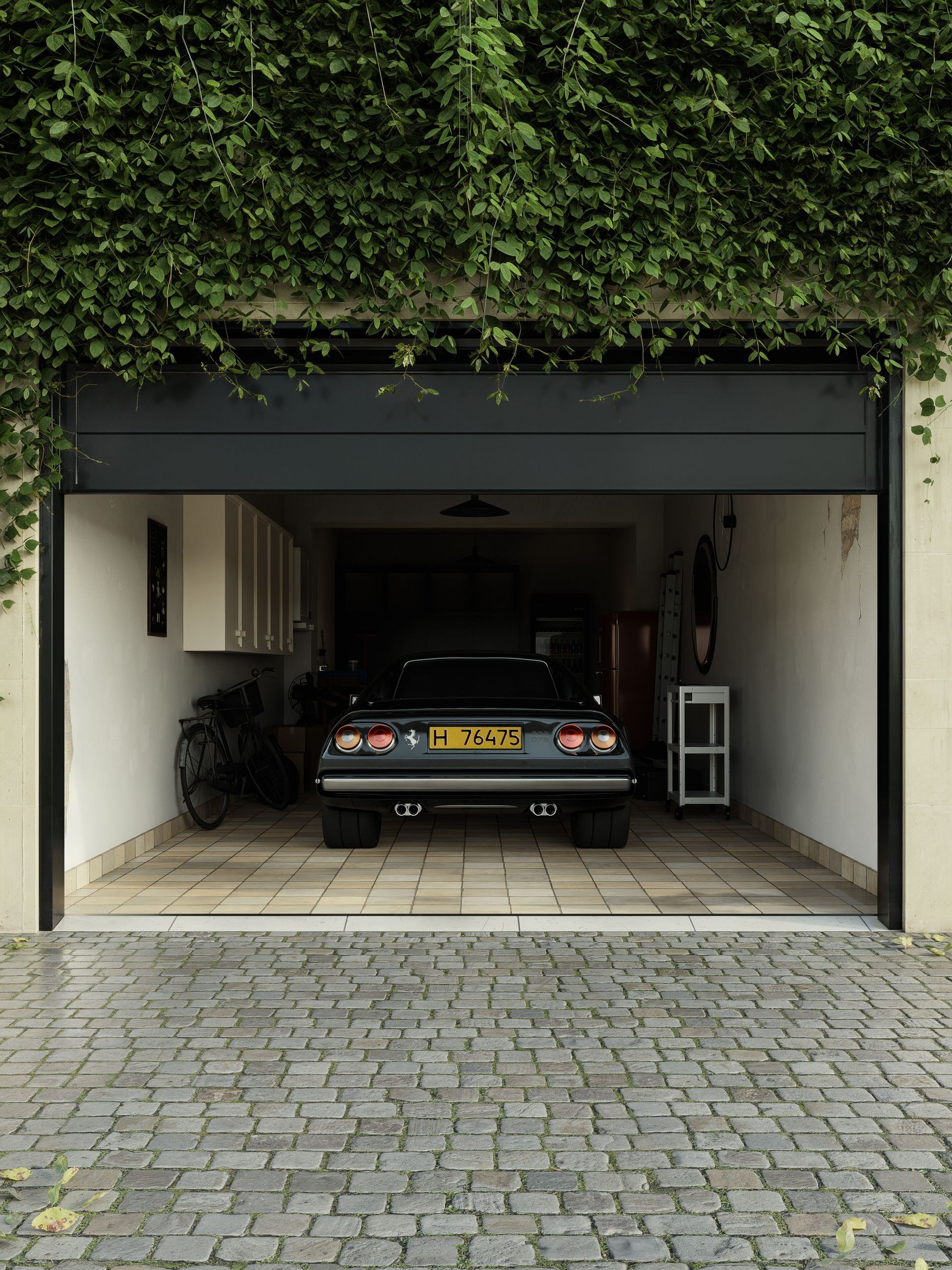
A good home for a classic or collector car is a private, fully enclosed unit that stays dry, locks, and gives you room to open the doors, with power for a battery maintainer. Our large indoor units atMilton Grove Rd in Mount Joyfit that description. Here is what to check before you sign anywhere.
Is a Private Indoor Unit Worth It, or Is Your Garage Enough?
For a car you want to keep original, a private unit is worth it unless your own garage is dry, closed to mice, and not shared. A Pennsylvania winter brings freeze and thaw cycles, damp air, and months of low sun, and a car parked outside or under a roof-only cover takes all of it.
Here is how the common options compare for a long layup:
What you get
Outdoor lot
Covered (roof only)
Private enclosed unit Best
Rain, snow, and ice
Exposed
Partly exposed
Blocked
Sun on paint, trim, and interior
Exposed
Reduced
Blocked
Dings from neighboring vehicles
Higher risk
Higher risk
None, the unit is yours alone
Damp air and condensation
Exposed
Exposed
Controlled if the unit is water tight
Private, locked space
No
No
Yes
Your own garage can work. It falls short when it is full, when a damp slab keeps the air humid, or when the car shares space with daily drivers and household storage. A unit gives the car its own door and its own lock, and it frees your garage for the cars you drive.
At our Milton Grove Rd location, each unit has its own roll-up door and lock, so no one parks close enough to leave a mark. The units are clean and water tight, which matters because moisture damage builds slowly and shows up in spring. The same logic applies to a motorhome, and we walk throughoutdoor, covered, and indoor storage forRVsin detail.
How Big a Unit Does a Classic Car Need?
Measure your car first: overall length, width with the mirrors out, and height. Then choose a unit that leaves room to open both doors and walk around the car without brushing it. Width matters as much as length.
Large units are on annual agreements. Details are confirmed at your showing.
Our Milton Grove Rd units have roll-up doors 12 or 14 feet wide and 14 feet high, and the large units start at 14.5 x 39 feet. AtRadio Rd in Elizabethtown, large units start at 16 x 50 feet. That is more space than one car needs, and the extra room is what lets you open the doors fully and keep a battery maintainer and a cover within reach.
Look at the floor and the door threshold at your showing, too. A low front end can scrape on a steep lip. If you want to compare a smaller unit, bring your measurements and we will check your car against the space, the same way we sizelarge storage units.
Does a Stored Classic Car Need Power, Heat, or Humidity Control?
It needs a way to keep the battery charged, and it benefits from a space that limits cold and moisture. The first is easy to solve. The other two are worth asking about before you rent.
Power: A smart battery maintainer keeps the battery topped up through the winter, so the car starts when you are ready to drive. Our Milton Grove Rd units include 110 volt, 15 amp electrical service with timer-controlled lights, and the large bays at Radio Rd include lights and electric service. Tell us you plan to use a maintainer before move-in.
Heat and humidity: We offer premier heated units at both locations, and availability changes, so call us to see what is open. Facilities use labels like heated and climate-controlled in different ways. Ask any facility what its label includes: a target temperature, humidity control, or neither. When you visit, we will walk you through what our heated units include.
How Secure Should a Collector Car Unit Be?
Look for layers: a private locked unit, cameras that record, good lighting, and access you can control. One layer alone is not enough for a car you cannot easily replace.
At Milton Grove Rd, we run 40 security cameras with 24 hour motion activation, security lighting, and individually lockable units, and you can reach your car 24/7. At Radio Rd, the property is fully fenced and gated so only renters can enter, and motion-detected cameras cover the site. Access there is daily from 6 AM to 9 PM.
Ask any facility three questions: who can enter the property, whether the cameras record, and whether the lighting reaches your door. If you like to take your car out on a clear winter day, access hours matter too, so check them before you choose. Cameras, lighting, and access control each cover a different risk, which is whysecurity matters so much when you store valuables.
How Do You Prepare a Classic Car for Storage?
Start with a clean, dry car, then protect the battery, fuel, tires, and interior. Your owner's manual or your mechanic has the final say for your model, but these steps cover what most owners do:
Wash and dry the car completely, then wax it. Moisture trapped under a cover can cause spotting and rust.
Clean the interior and remove food, wrappers, and papers. Anything edible invites mice.
Ask your mechanic about fuel and fluids, including whether to fill the tank, add fuel stabilizer, and change the oil before storage.
Set tire pressure to the level your manual recommends, and park on a clean, dry surface.
Connect a smart battery maintainer, or follow your mechanic's battery plan.
Ask whether to leave the parking brake off and use wheel chocks instead.
Cover the car with a breathable, fitted cover. Skip plastic tarps, which hold moisture against the paint.
Ask your mechanic how to block the openings mice use, and leave a reminder note on the steering wheel so you remove anything before you start the car.
Take dated photos of the car and the odometer for your records.
What Does It Cost to Store a Classic Car in Lancaster County?
Our large indoor units start at $400 per month plus tax at Milton Grove Rd in Mount Joy and $450 per month plus tax at Radio Rd in Elizabethtown, on annual agreements. Your price depends on the unit size, the location, and whether you choose a premier heated unit.
We charge zero move-in fees, and your rate is locked in for at least one year, so the number you sign is the number you pay through the first year. Ask any facility for the full monthly total, including tax and any fees, and what happens to the rate after year one.
Beyond rent, budget for a battery maintainer, a fitted cover, and whatever coverage your insurance agent recommends. Smaller units cost less, so if your car fits in one, ask about it at your showing. An annual agreement keeps the unit yours through every season, so you are not hunting for a new space each fall. Open units change, so call us for current pricing and availability.
We answer every one of these at a showing. Bring your car's length, width with the mirrors out, and height, and we will match it to a unit in Mount Joy or Elizabethtown.Call (717) 653-1988to schedule your showing.
Classic Car Storage FAQs
Questions About Storing a Classic Car
Do I need insurance on a classic car while it is in storage in Pennsylvania?
If the car is registered, yes. PennDOT requires liability insurance on any currently registered vehicle. A lapse in coverage results in a three-month registration suspension, with a narrow exception for lapses of 30 days or less when the car was not driven. PennDOT also says to surrender the plate when coverage ends, even if the car is parked in storage. Ask your agent how your policy treats storage. Some insurers reduce premiums for vehicles stored inside, so it is worth asking.
Can I start my car or let it idle inside the unit?
Move the car outside before you start it. The CDC explains that burning fuel in a car or truck produces carbon monoxide, which can build up indoors, and a closed unit is no place to run an engine. Ask us about our rules before move-in, and have a mechanic check your exhaust system each year.
When should I put my classic car away for the winter?
Plan to have the car prepared and parked before the first hard freeze. If you drive to the AACA Eastern National Fall Meet in Hershey, which the Society of Automotive Historians places in the first full week of October, reserve your unit before you go so it is ready when you get home.
Can I store a classic car and an RV or boat with you?
Yes. We store antique, classic, and muscle cars alongside motorhomes, campers, speed boats, and pontoons. Each vehicle goes in its own individually locked unit, so you can choose the size that fits each one. Ask us at your showing which sizes suit each of your vehicles.